Blog details
- Home
- »
Review
12:00 AM
How Loyalty Programs Increase Revenue: A Data-Backed View
Loyalty programs are often seen as “nice-to-have” marketing tools—points, discounts, and occasional rewards.
But when designed right, they are revenue engines backed by hard data, not just feel-good initiatives.
Let’s break down how loyalty programs directly impact revenue—and what the numbers actually say.
1. Loyal Customers Simply Spend More
Multiple studies consistently show the same pattern:
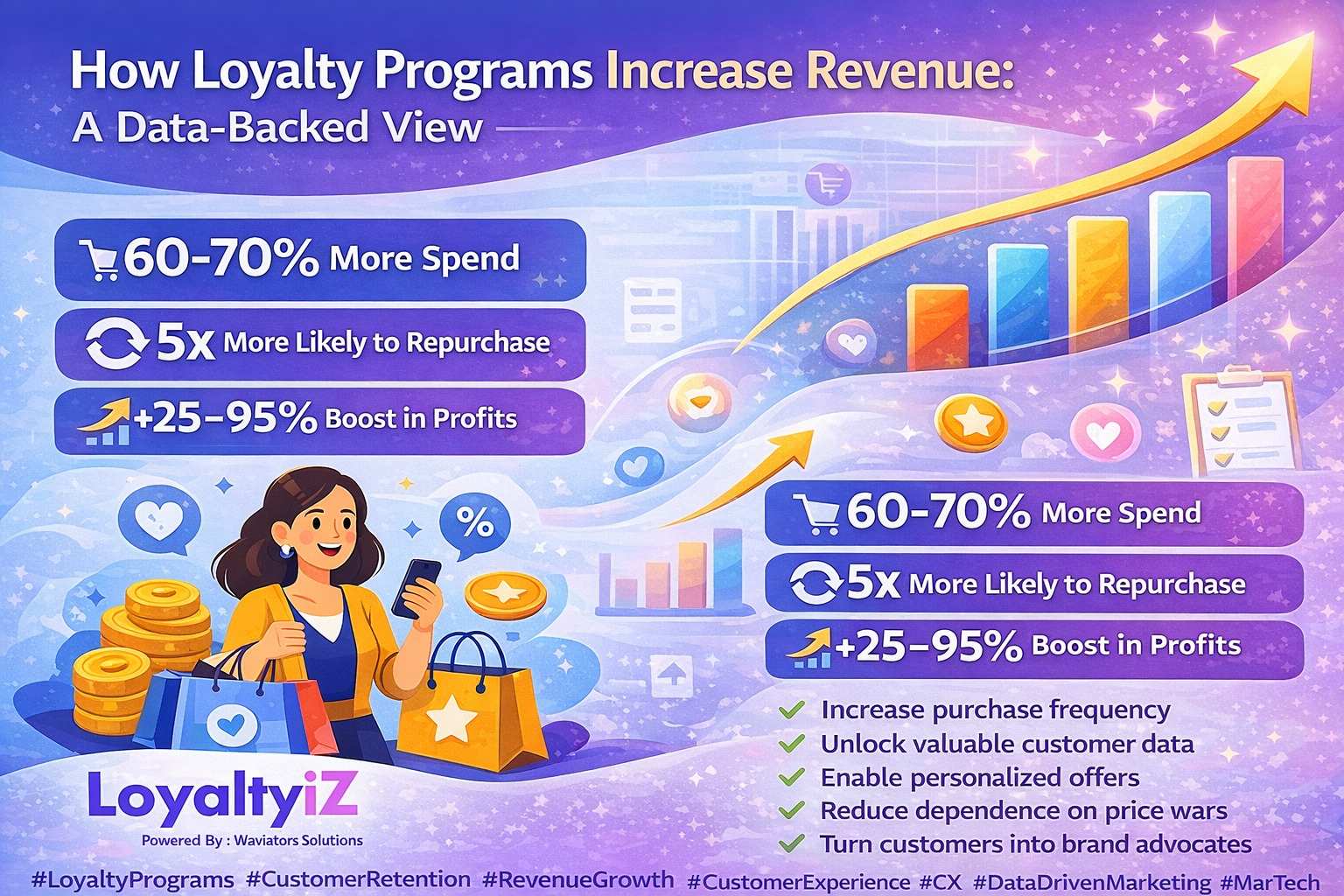
Repeat customers spend 60–70% more than first-time buyers, Existing customers are 5x more likely to purchase again than new ones . A 5% increase in customer retention can boost profits by 25–95%
Why?
Because trust removes friction. Loyal customers don’t need convincing—they already believe in your brand.
A loyalty program reinforces this behavior by giving customers a reason to return again and again.
2. Higher Purchase Frequency = Higher Lifetime Value
Revenue doesn’t grow only by increasing order value.
It grows faster when customers buy more often.
Loyalty programs influence:
Purchase frequency, Time between purchases, Basket size.
For example:
Points for every transaction, Bonus rewards for monthly activity, Tier benefits that unlock with repeat purchases
The result?
Customers start planning purchases around your brand, not just reacting to discounts.
3. Data Turns Rewards Into Revenue Strategy
Modern loyalty programs are not just about points—they are data systems.
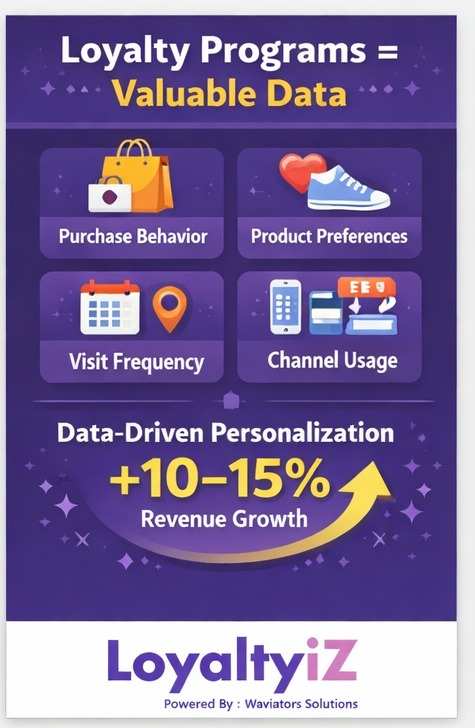
Every loyalty interaction captures: Purchase behavior, Product preferences, Visit frequency, Channel usage (online, offline, app, etc.)
This data allows brands to:
Personalize offers (instead of blanket discounts), Cross-sell and upsell smarter, Reduce wasted promotions
Data-driven personalization can increase revenue by 10–15%, while also lowering marketing costs.
4. Loyalty Reduces Discount Dependency
Brands without loyalty often rely heavily on: Flash sales, Heavy discounting, Price wars, Loyalty programs shift the focus from price to value.
Customers stay because of:
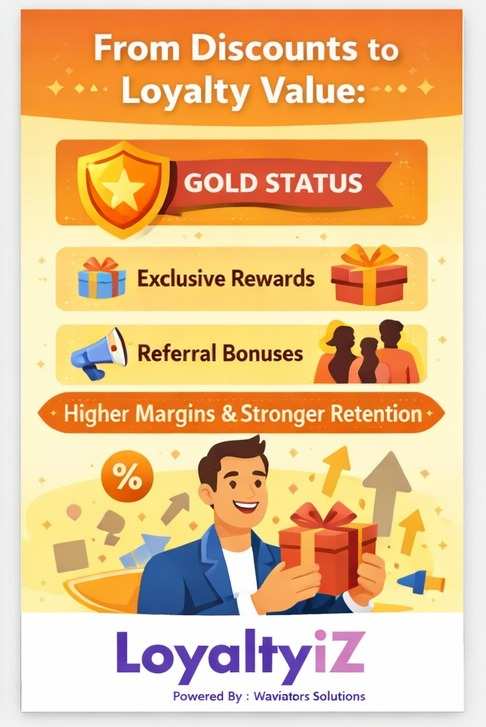
Status (Silver, Gold, Platinum tiers)
Exclusive access
Recognition and rewards
This means:
Better margins
Less revenue leakage
Stronger brand perception
In short: you reward loyalty, not desperation.
5. Referral Revenue Comes “Built-In”
Loyal customers don’t just buy more—they bring more customers.
Referred customers have a 16–25% higher lifetime value
They convert faster
They trust the brand before the first purchase
When loyalty programs include referral rewards:
You reduce acquisition costs
You grow revenue organically
You create brand advocates, not just customers
6. Predictable Revenue Beats One-Time Sales
One of the biggest advantages of loyalty programs is predictability.
With active loyalty members, brands can:
Forecast demand better
Plan inventory smarter
Launch targeted campaigns with higher ROI
Recurring engagement leads to stable, predictable revenue, which is far more valuable than occasional spikes from campaigns.
Final Thoughts: Loyalty Is a Growth Strategy, Not a Gimmick
Loyalty programs work not because they give rewards—but because they:
Strengthen relationships
Capture meaningful data
Influence long-term behavior
When aligned with business goals, loyalty programs don’t just increase engagement—they increase revenue, margins, and customer lifetime value.
In a competitive market, the real advantage isn’t acquiring more customers—it’s keeping the right ones longer.